


Overcoming the Empty Nest Syndrome: A Guide to Rediscovering Yourself and Embracing New Beginnings
- liveinconfidence

- Jan 17, 2025
- 9 min read
Updated: Jul 31, 2025

In life, the time comes when our children leave the nest, embarking on their journeys and leaving emptiness in our hearts and homes. This phenomenon, commonly known as the Empty Nest Syndrome, can bring about a mix of conflicting emotions – from sadness and grief to excitement and uncertainty. But fear not, for this guide is here to help you navigate this transitional phase with grace and resilience.
At its core, overcoming the Empty Nest Syndrome is about rediscovering yourself and embracing new beginnings. It's about embracing the newfound freedom and opportunities that await you. This article will provide valuable insights and practical tips on making the most of this chapter in your life.
We will explore effective strategies to cope with the sense of loss, rebuild your identity, foster meaningful relationships, and pursue personal interests and passions. We will dive deep into self-reflection and self-care, empowering you to embrace your individuality and unlock the endless possibilities that lie ahead.
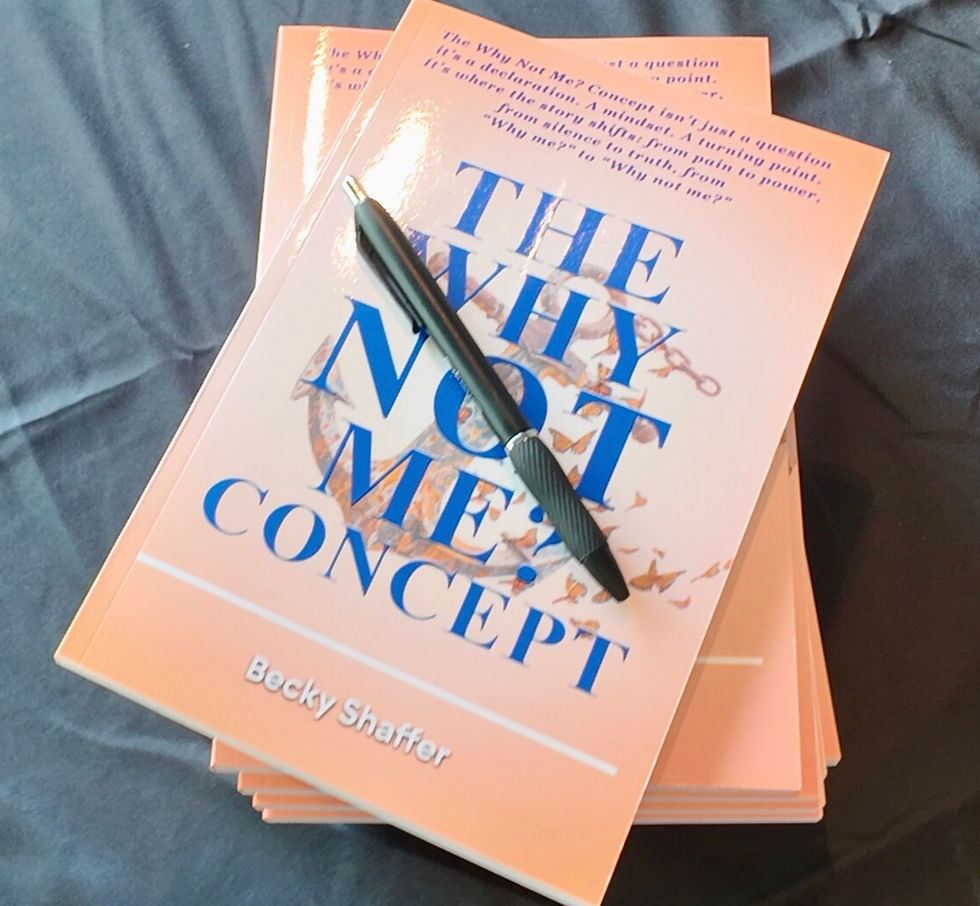
Join me, Becky Shaffer, a life coach and mom who has recently experienced this life-changing event, on this transformative journey as we navigate the ups and downs of overcoming the Empty Nest Syndrome, and discover a renewed sense of purpose and fulfillment just waiting to be embraced.
The hardest yet most rewarding experience is rediscovering yourself, while your children or child discover themselves and you can sit back and know you did it. You raised a great human who is ready to conquer the world.
What is the empty nest syndrome?
The Empty Nest Syndrome refers to the emotional distress and feelings of loss that parents often experience when their children leave home for the first time, whether it be for college, a new job, or to start their own families. This transition can be particularly challenging for parents who have dedicated a significant portion of their lives to raising their children. As the home becomes quieter and the daily routines change, many parents find themselves grappling with a profound sense of emptiness.
This phenomenon is not merely a fleeting sadness; it can manifest in various emotional and psychological ways. Parents may feel a loss of purpose or identity, often questioning their roles now that their children have moved on. The house, once filled with the sounds of laughter and activities, may feel eerily silent, leading to a longing for the days when the family was whole. Consequently, the Empty Nest Syndrome can lead to feelings of anxiety, loneliness, and even depression.
While the transition can be difficult, it's essential to recognize that this stage of life also represents an opportunity for growth and self-discovery. Understanding the Empty Nest Syndrome as a natural part of the parenting journey can help parents navigate this emotional landscape with greater resilience and hope. The key is to acknowledge these feelings without letting them define the next chapter of life. I am calling this next chapter Life 2.0.
Understanding the emotional impact of the empty nest syndrome
The emotional impact of the Empty Nest Syndrome can vary significantly from one individual to another, often influenced by personal circumstances, family dynamics, and individual coping mechanisms. For some, it may manifest as a profound sense of grief, akin to mourning a loss. This emotional upheaval is not limited to the departure of the children; it often encompasses the loss of daily interactions, shared experiences, and the routine that defines family life.
Additionally, this syndrome can lead to an identity crisis where parents feel they have lost a significant part of themselves. Many parents identify deeply with their role as caregivers and find themselves questioning their purpose when that role changes. As daily responsibilities shift, it can be challenging to fill the newfound void, leading to feelings of aimlessness and uncertainty about the future. This period of introspection can be overwhelming but is also an essential part of personal growth and transformation.
Moreover, the emotional effects can extend beyond the individual, impacting relationships with partners and friends. Parents may find themselves withdrawing from social activities or feeling disconnected from their spouses as they navigate their new emotional landscape. The key to managing these feelings is fostering open communication and seeking out new ways to connect with loved ones, thereby creating a supportive environment that encourages healing and growth.
Signs and symptoms of the empty nest syndrome
Identifying the signs and symptoms of the Empty Nest Syndrome is crucial for understanding and addressing the emotional challenges associated with this life transition. Common symptoms include feelings of sadness or grief, which may surface unexpectedly or during reminders of family life, such as holidays or family gatherings. Many parents also report experiencing a sense of loneliness, as the absence of children can create an emotional void that is difficult to fill.
In addition to emotional symptoms, physical manifestations can occur, such as changes in sleep patterns, appetite fluctuations, or increased anxiety levels. Parents may find themselves feeling restless or unmotivated, struggling to engage in activities that once brought joy. These feelings can lead to withdrawal from social interactions, creating a cycle of isolation that exacerbates the emotional distress associated with the empty nest experience.
It is also essential to recognize that these signs can sometimes overlap with other mental health issues, such as depression or anxiety disorders. Therefore, acknowledging these symptoms and taking proactive steps to address them is critical for maintaining emotional well-being. By being aware of these signs, parents can better understand their feelings and seek appropriate support and resources to navigate this challenging phase of life.
Coping strategies for overcoming the empty nest syndrome
Developing effective coping strategies is vital for overcoming the emotional challenges of the Empty Nest Syndrome. One of the first steps is to embrace the feelings of loss and sadness rather than suppressing them. Allowing oneself to grieve the changes in family dynamics can be a cathartic experience, paving the way for healing and personal growth. Journaling can be a helpful tool in this process, providing a space to express emotions and reflect on the journey ahead. The journey has now turned to new traditions, finding new experiences that you can now enjoy, and traveling to places you have not traveled to as you now have time.
Setting aside time for activities that bring joy and fulfillment—whether it's gardening, painting, or reading—can also provide a much-needed distraction and foster a sense of accomplishment.
Social connections play a vital role in coping with the Empty Nest Syndrome. Reaching out to friends and family for support can create a network of understanding individuals who share similar experiences. Joining support groups or engaging in community activities can also help foster new relationships and connections, making the transition feel less isolating. By investing time in nurturing existing friendships and forming new ones, parents can create a support system that reinforces resilience and encourages positive emotional health.
Embracing new beginnings after the empty nest syndrome
The departure of children from the home signals not just an end but also a new beginning. Embracing this transition as an opportunity for personal growth can significantly alter one’s perspective on life after children. It’s a time to reflect on dreams and aspirations that may have been set aside during the parenting years. This phase can be seen as a blank slate, allowing parents to explore new interests, hobbies, and passions that reflect their individuality.
Setting new goals can be an empowering way to navigate this transition. Parents can take the time to identify what they truly want out of life now that they have more freedom. This might involve pursuing a career change, furthering education, or embarking on new travel adventures. By shifting the focus from loss to opportunity, parents can instill a sense of excitement and purpose into their lives, making the empty nest feel like a chance for reinvention rather than a void.
Moreover, the empty nest can also catalyze strengthening relationships with partners. Couples can take this time to reconnect and explore shared interests that may have been overlooked during the busy years of parenting. Planning weekend getaways, engaging in new activities together, or simply enjoying quiet evenings can foster deeper intimacy and enrich the partnership. Embracing new beginnings is not just about personal growth; it also offers a chance to nurture and revitalize meaningful relationships.
Rediscovering yourself and your passions
Rediscovering oneself after years of parenting is a transformative journey that can lead to greater fulfillment and joy. This time presents an opportunity to reflect on personal interests and passions that may have been sidelined. Many parents find that they have neglected their hobbies or pursuits in favor of family responsibilities, and now is the perfect time to rekindle those interests.
Engaging in creative outlets such as art, writing, or music can be therapeutic and fulfilling. Exploring new classes or workshops in areas of interest can also help uncover latent talents and passions. Additionally, volunteering for causes that resonate personally can provide a sense of purpose and community connection, allowing parents to contribute positively while rediscovering their identities.
Moreover, this process of self-discovery can lead to a deeper understanding of personal values and desires. Reflecting on what truly matters can help individuals align their actions with their aspirations, fostering a greater sense of authenticity in their lives. By embracing this journey of rediscovery, parents can cultivate a renewed sense of self and embrace the freedom that comes with the empty nest, ultimately leading to a more fulfilled and enriched life.
Building new relationships and connections
As children leave home, it is essential to focus on building new relationships and connections to counteract feelings of loneliness and isolation. This new chapter provides an opportunity to expand social networks and forge meaningful friendships that can enhance life’s richness. Joining clubs, attending local events, or participating in community activities can open doors to meeting new people who share similar interests and experiences.
Engaging in group activities such as book clubs, fitness classes, or hobby groups can be a great way to connect with others. These settings often foster camaraderie and provide a platform to share experiences, creating a sense of belonging. Additionally, reconnecting with old friends or family members can reignite valuable relationships that may have faded over time, enriching one’s social life and support network.
Technology also plays a crucial role in maintaining and developing connections. Social media platforms, video calls, and online communities can bridge geographical gaps, allowing individuals to stay in touch with loved ones and meet new people globally. Embracing these tools can help create a sense of community and support, making the empty nest experience feel less daunting and more connected.
Setting goals and creating a new life plan
Setting goals and creating a new life plan is a vital step toward thriving in the aftermath of the Empty Nest Syndrome. This process not only provides direction but also instills a sense of purpose and motivation. Taking the time to define personal and professional goals can foster a proactive mindset, encouraging individuals to embrace this new phase of life with enthusiasm and determination.
When establishing new goals, it is essential to consider what truly resonates at a personal level. These goals can be related to various aspects of life, including health, career, relationships, and personal growth. Breaking these larger goals down into smaller, actionable steps can make them more achievable and less overwhelming. This structured approach allows for a clearer path forward, enabling individuals to celebrate small victories along the way.
Moreover, creating a vision board can be a powerful tool for visualizing goals and aspirations. By compiling images, quotes, and symbols that reflect personal dreams, individuals can create a tangible reminder of their objectives. This visual representation serves as an ongoing source of inspiration, motivating them to stay focused on their new life plan and actively work towards realizing their vision for the future.
Seeking support and professional help
While the Empty Nest Syndrome can be navigated through personal resilience and self-discovery, seeking support and professional help can be invaluable during this transitional phase. Parents who find themselves struggling with intense feelings of sadness, anxiety, or isolation may benefit from talking to a therapist or counselor. Professional guidance can provide an objective perspective and equip individuals with effective coping strategies tailored to their unique circumstances.
Support groups, both in-person and online, can also be an excellent resource for those experiencing similar feelings. Sharing experiences and hearing from others navigating the empty nest can create a sense of camaraderie and understanding. These groups offer a safe space for discussing emotions and challenges, allowing individuals to realize they are not alone in this journey.
Additionally, family and friends can play a crucial role in providing emotional support. Opening up about feelings and inviting loved ones to share their experiences can strengthen connections and foster a supportive network. By recognizing the importance of seeking help, individuals can take proactive steps toward emotional well-being, ensuring a smoother transition into this new chapter of life.
Conclusion: Embracing the next chapter of your life
Embracing the next chapter of life after the children have left home is a journey filled with potential for growth and renewal. While the transition may bring feelings of sadness and loss, it also opens up a world of opportunities for self-discovery and personal fulfillment. By acknowledging emotions, exploring new passions, and fostering connections, parents can navigate this phase with grace and resilience.
As individuals embark on this new chapter, it's important to remember that it’s a time for reflection, exploration, and reinvention. Setting goals, embracing new experiences, and seeking support can all contribute to a richer, more meaningful life. This period can be seen as an opportunity to rediscover oneself, nurture relationships, and pursue dreams that may have been on hold.
Ultimately, the Empty Nest Syndrome is not merely an ending but rather a gateway to new beginnings. By embracing this transition with an open heart and mind, parents can cultivate a renewed sense of purpose and fulfillment, celebrating the beauty of life’s ever-changing journey. Rediscovering who you are is such an amazing feeling, once you embrace it.
We at Live in Confidence are here to support you through this life-changing event—every step of the way. Contact us now for your free consultation.


Comments